
Lore
Unseen Liminality lore explained — the meaning of memory and forgetting, inspirations from Beyond Liminal and Kane Pixels, and the theories behind the endless hallways.
Introduction
The lore of Unseen Liminality is built on a single haunting premise: the more times it remembers something, the less it does. In this Backrooms-inspired world, memory itself becomes the horror — endless hallways remember you, forget you and shift around your sense of place. The game draws openly from Beyond Liminal, Backrooms by Kane Pixels and The Oldest View, and this section unpacks the meaning behind the liminal spaces, the entities and the theories the community has built around them. Each theme is explored through its in-game echo, from the empty pools that feel wrong to the hostile entities that embody the fear of being watched. The lore is largely inferred from atmosphere and the official description, which makes community interpretation an essential part of understanding the story.
Lore Themes
| Theme | Idea | In-Game Echo |
|---|---|---|
| Memory | The more it remembers, the less it does | Core premise |
| Forgetting | Places lose meaning when unobserved | Endless hallways |
| Liminality | In-between spaces feel uncanny | Empty pools & lobbies |
| Surveillance | Being watched by what you cannot see | The Looker, Mimic |
Core Themes
Memory Theme
The core premise: the more it remembers, the less it does.
Beyond Liminal
A key inspiration for the game's liminal atmosphere.
Backrooms by Kane Pixels
The viral Backrooms videos that shaped the visual language.
The Oldest View
Another Kane Pixels work cited by the developers.
Core Mechanics
Unseen Liminality treats its environment as a character. The endless hallways of The Lobby and the empty swimming pools of the Pool Rooms are classic liminal spaces — transitional places that feel wrong because they are built for activity that never comes. The entities embody the fear of being watched: the Looker observes, the Mimic deceives. The game's quote about remembering and doing less suggests a world that degrades the more it is observed. This is the engine that powers the atmosphere: every hallway feels both familiar and abandoned, as if it remembers being used but no longer is. The lore section explores these themes through the game's description, its inspirations and the interpretations the community has developed.
Advantages
The lore section transforms the game from a scares-and-secrets checklist into a meaningful story. Understanding the memory-and-forgetting premise explains why the world looks the way it does, and the inspirations give you a map to similar works you will enjoy. The theory sections are where the community's deepest interpretations live, offering a rich layer of discussion that extends the game beyond its gameplay. Reading the lore also heightens the atmosphere — every empty hallway and lurking entity carries more weight when you understand the themes behind them. For players who love the horror genre's storytelling, the lore section is the most rewarding part of the wiki.
Challenges
Lore in Unseen Liminality is largely inferred. The developers have not published an official lore document, so most interpretation comes from the game's description, the quoted premise and community theories. Fans may disagree about what the memory theme means, and the story is expected to evolve as the overhaul adds content. The lack of an explicit narrative means there is no single canonical answer to questions like what the hallways are or what the entities want. Players who prefer concrete, developer-confirmed storytelling may find the inferred lore unsatisfying. Interpretations can also change as new content drops, so a theory that seems solid today could be contradicted by the next overhaul part.
Frequently Asked Questions
What is the story of Unseen Liminality?+
What inspired Unseen Liminality?+
What does the quote about remembering mean?+
Quick Tips
Read the game's official description before diving into theory — the quoted premise is the closest thing to canon lore. The description contains the game's thesis about memory and forgetting, and it is the only text the developers have directly published about the story. Starting there keeps your theories grounded instead of building on guesswork.
Watch Kane Pixels' Backrooms videos to understand the visual language the game is building on. The endless hallways, the yellow lighting and the lurking entities all trace back to those videos, and seeing the source material makes the game's design choices click into place. It also helps you appreciate how Unseen Liminality adapts the aesthetic to an interactive format.
Share your own interpretation in the community — lore theories are how the story grows beyond what the developers show. With no official lore document, community interpretation is the game's living canon, and every new theory contributes to it. Engaging with the discussion also keeps you informed when other players notice details you missed.
Featured
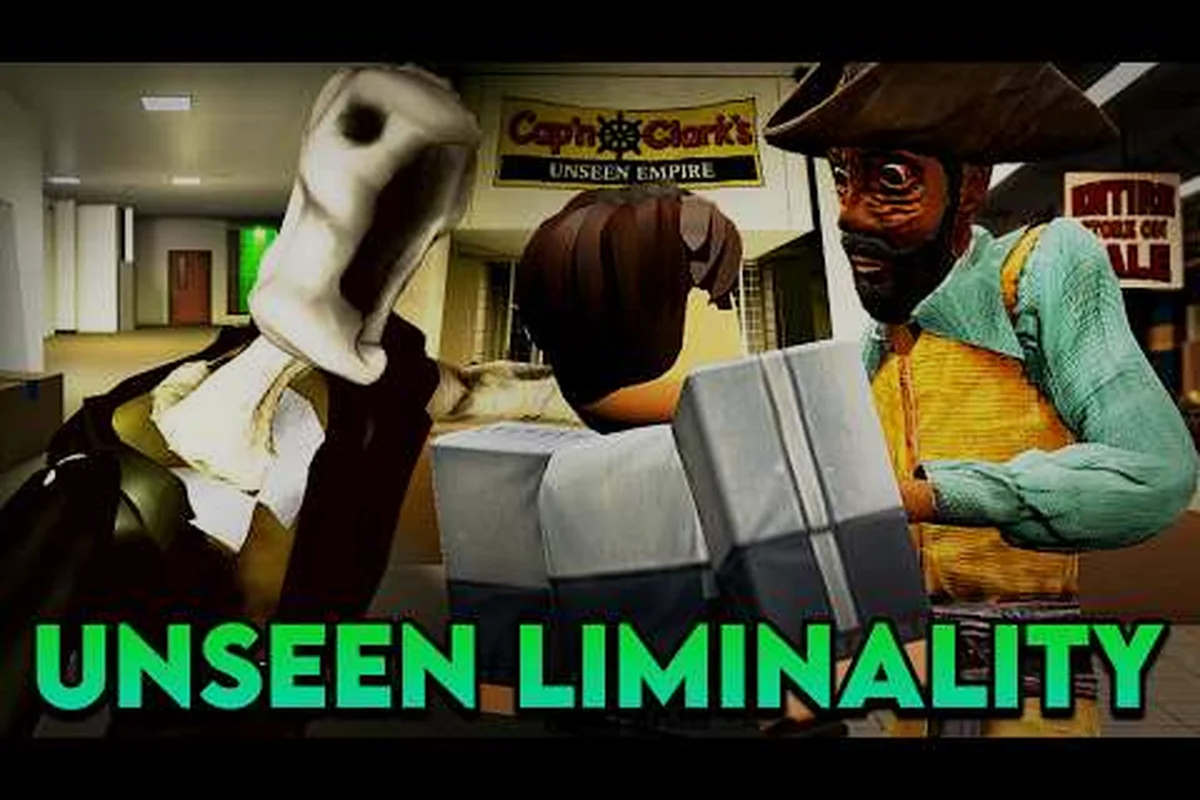
Unseen Liminality The Lobby Lore: Memory & Meaning
Explore Unseen Liminality The Lobby lore where forgotten memories shape the pool rooms. Uncover fan theories and the timeline behind the eerie spaces.

Unseen Liminality Inspired by Beyond Liminal Roots
Trace Unseen Liminality inspired by Beyond Liminal and Kane Pixels. Explore the liminal horror roots, the oldest views, and the backrooms lore connections.
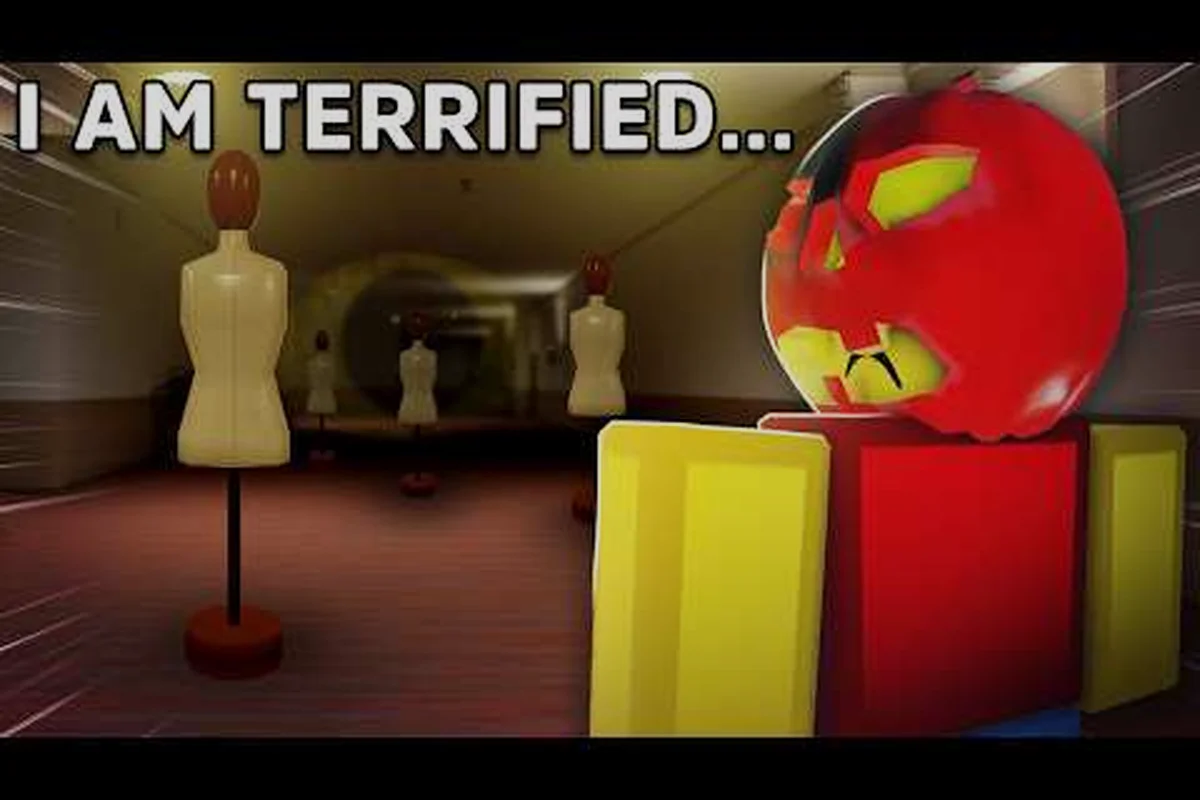
Unseen Liminality Quote: Meaning & Hidden Symbolism
Analyze the Unseen Liminality quote's meaning and symbolism. This lore guide connects canon theories and the timeline, revealing what the quote truly means.
All Articles
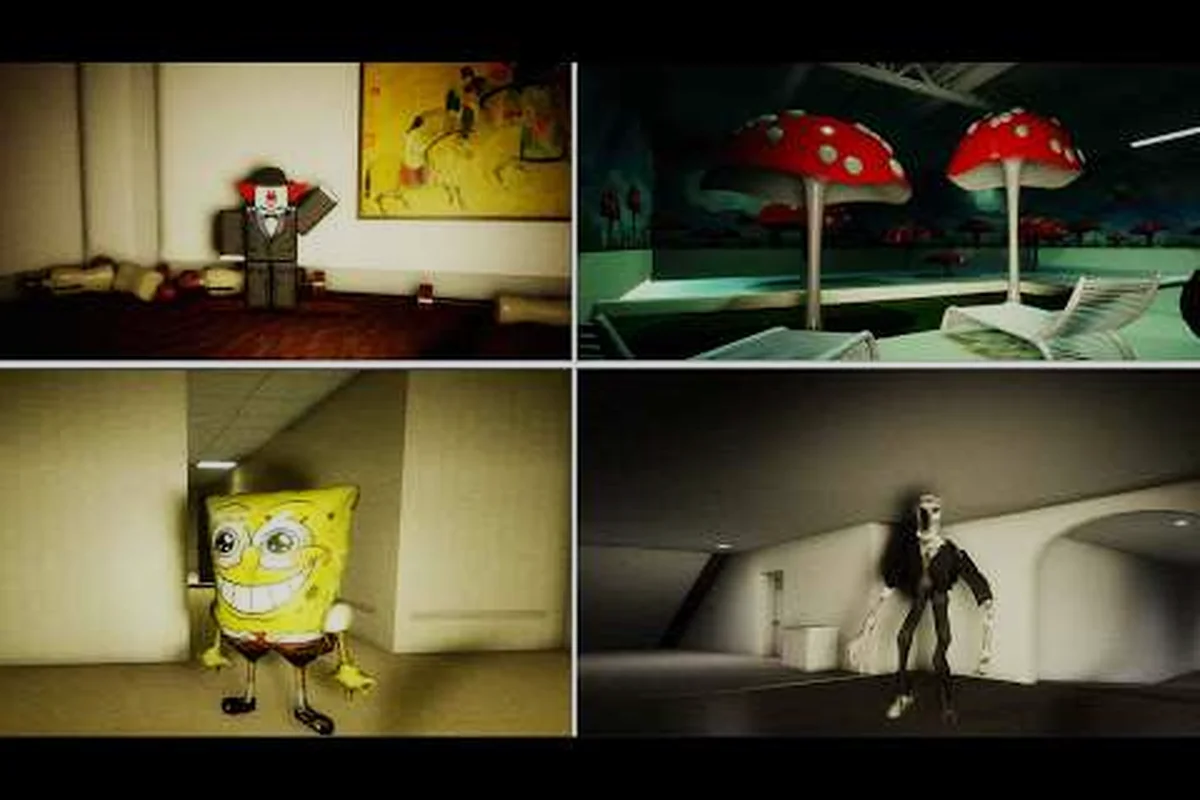
Unseen Liminality Endings Lore: Backstory & Twists
Unravel Unseen Liminality endings lore with a deep dive into the backstory. Learn every twist, the remembering theme, and the haunting narrative.
Unseen Liminality Lore Explained: Backrooms Story Theme
Understand the Unseen Liminality lore explained from the Beyond Liminal inspiration to the endless hallways, discovering the story behind the walls.
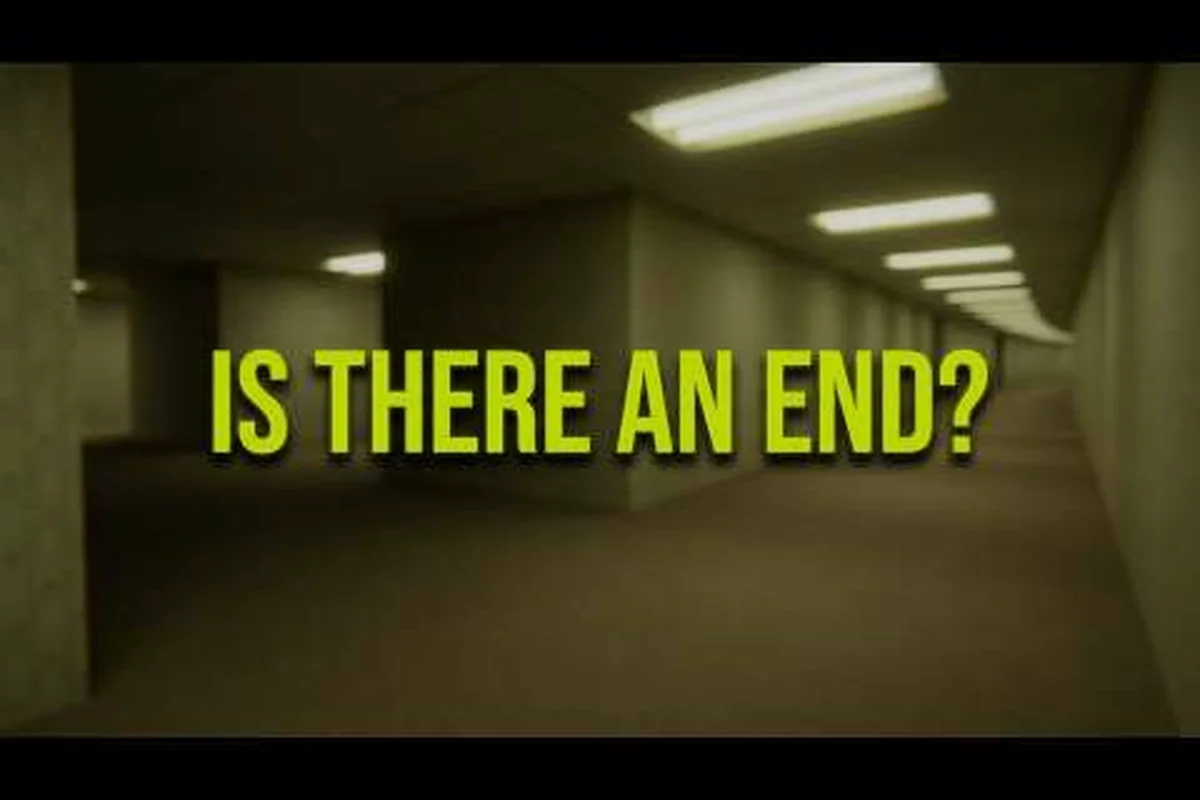
Unseen Liminality The Forgotten Lore: Captain's Dark Origin
Dive into Unseen Liminality The Forgotten and uncover the Captain's dark origin. Learn hidden lore, entity meanings, and what the title truly signifies.